

⛺ Roadside stations with official campgrounds 47
Tents and open-air cooking are prohibited in michi-no-eki parking lots — but a set of stations solve this by having an official campground right on site. Pitch a tent legally, use the station’s restrooms, restaurants and morning market, and wake up already at your first stop of the day.
🗺 Show these 47 stations on the map → 日本語版 →
Hokkaido (14)
-
 Bifuka 道の駅 びふか · Hokkaido
-
 Fujimi 道の駅 富士見 · Hokkaido
-
 Chuurui 道の駅 忠類 · Hokkaido
-
 Mitsuishi 道の駅 みついし · Hokkaido
-
 Mariin'Airando Okajima 道の駅 マリーンアイランド岡島 · Hokkaido
-
 Akan Tanchou No Sato 道の駅 阿寒丹頂の里 · Hokkaido
-
 Pinneshiri 道の駅 ピンネシリ · Hokkaido
-
 Sarufutsu Kouen 道の駅 さるふつ公園 · Hokkaido
-
 Natowa ・ Esan 道の駅 なとわ・えさん · Hokkaido
-
 Hanayaka ( Yousai Nobana ) Koshimizu 道の駅 はなやか(葉菜野花)小清水 · Hokkaido
-
 230 Rusutsu 道の駅 230ルスツ · Hokkaido
-
 Rankoshi ・ Furusatono Oka 道の駅 らんこし・ふるさとの丘 · Hokkaido
-
 ☆ Roman Kaidou Shosanbetsu 道の駅 ☆ロマン街道しょさんべつ · Hokkaido
-
 Shinshinotsu 道の駅 しんしのつ · Hokkaido
Tohoku (6)
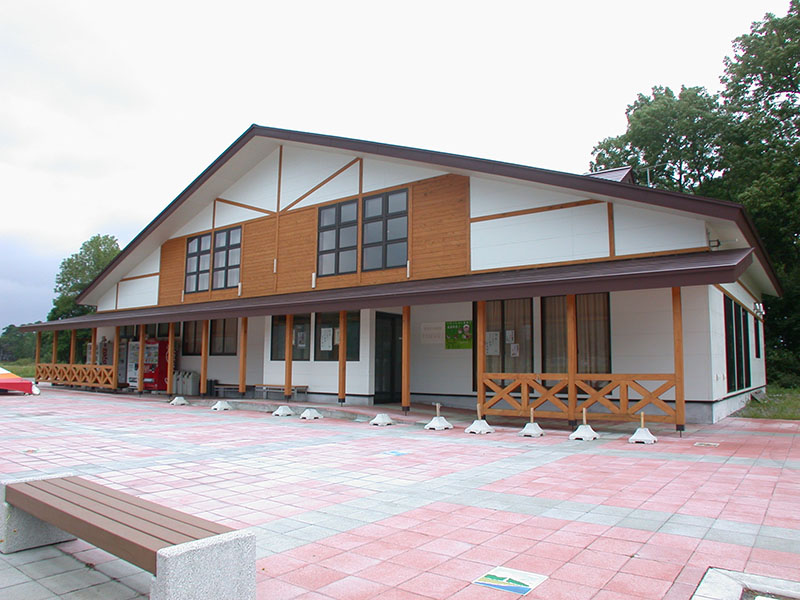
Aomori 3




Kanto (1)

Chubu (8)
Niigata 3


Gifu 2


Kansai (6)
Wakayama 3


Chugoku (2)


Shikoku (3)
Kagawa 1


Kyushu (7)
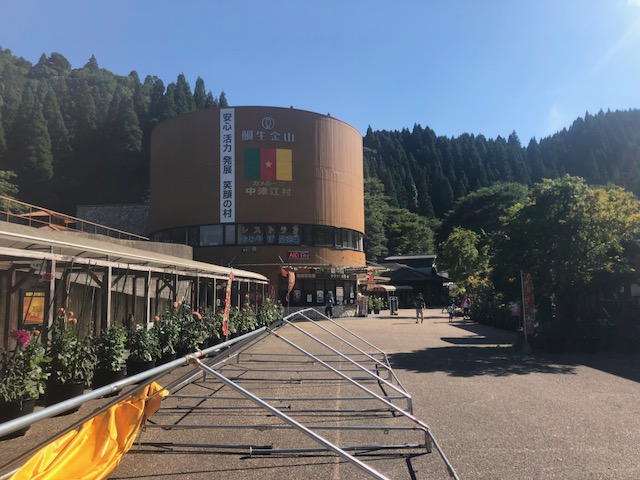
Oita 3



No stations match your search. Try a shorter keyword, or browse the map.
Frequently asked questions
How many michi-no-eki in Japan have campgrounds?
47 roadside stations across 25 prefectures, in our database of 1,145 michi-no-eki. The highest counts are Hokkaido (14), Aomori (3), Niigata (3), Wakayama (3), Oita (3). Every station below links to facilities, opening hours and a map.
Which prefecture has the most michi-no-eki with campgrounds?
Hokkaido, with 14 stations. Then Aomori (3), Niigata (3), Wakayama (3). Use the prefecture page to see them alongside nearby onsen and lodging. Michi-no-eki in Hokkaido →
How many of these stations let you bathe or sleep on site?
14 of them have an onsen or public bath, 22 have accommodation on site, and 47 have an official campground. Stations with both a hot-spring bath and a bed are listed separately. Stations with both onsen and lodging →
Can I sleep in my car at a michi-no-eki?
Napping and resting in your vehicle is accepted, but camping behaviour — pitching a tent, cooking outside, long multi-night stays — is not. Check the signage at each station, and plan a bath stop using the onsen and shower lists. What is a michi-no-eki? →
Do I need a rental car to use these stations?
Practically, yes — michi-no-eki are built for drivers and most are far from train stations. An international driving permit plus a compact rental or campervan is the normal way to do a roadside-station trip. Renting a car in Japan →
More ways to plan your stops
- ♨ Roadside stations with onsen hot-spring baths
- ⚡ Roadside stations with EV chargers
- 🛏 Roadside stations with hotels & lodging
- 🚿 Roadside stations with showers
- ♨ Roadside stations with both onsen and lodging
- 🎁 Roadside stations with hands-on experiences
- 🔭 Roadside stations with observation decks
- Ready-made road-trip routes →
- Build your own route in the planner →